Present Scenario
Most meetings do not fail because people lack intelligence.
They fail because nobody knows what happens next.
Teams spend hours discussing strategy, reviewing reports, debating alternatives, and agreeing on actions. The conversation feels productive. Everyone leaves the room believing progress has been made.
But one week later, little has changed.
Tasks remain incomplete.
Decisions remain pending.
The same topics return to the next meeting.
Eventually, frustration increases and execution slows.
The issue is rarely poor ideas.
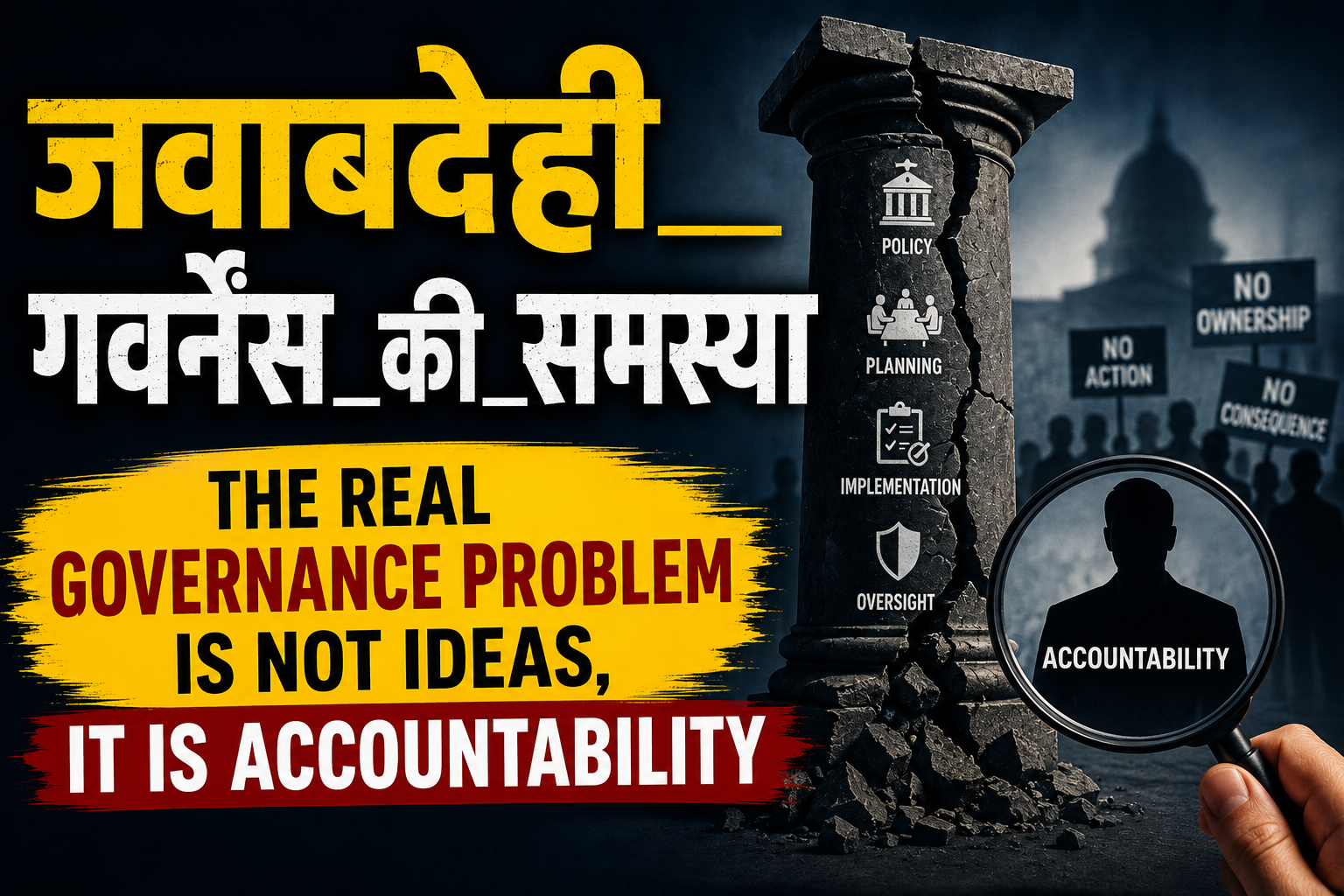
More often, it is the absence of ownership, timelines, and accountability.
This problem becomes even more visible in leadership teams and boardrooms where discussions are sophisticated but follow-through is weak.
Insight
Execution is where governance becomes visible.
Strong organizations understand that meetings are not events. They are decision-making mechanisms.
Every unresolved discussion creates hidden costs:
• delayed decision-making
• leadership fatigue
• confusion in execution
• weak accountability
• slower organizational response
Many companies unintentionally normalize unclear ownership.
Everyone agrees.
Nobody acts.
Over time, this weakens culture and reduces trust.
Effective governance is not measured by the quality of discussion.
It is measured by the quality of execution that follows.
Before closing any meeting, one simple discipline creates extraordinary improvement:
Ask three questions.
What needs to be done?
Who is responsible?
When is the deadline?
Without these answers, even excellent discussions produce limited results.
Board-Level Recommendation
Boards, committees, and leadership teams should introduce action-oriented meeting governance.
At the end of every meeting:
 Clearly define decisions made
Assign one accountable owner for each action
Establish measurable timelines
Track progress in the next review cycle
Distinguish discussion items from decision items
Create visibility for unresolved matters
Technology and AI can further strengthen this process by improving action tracking, decision logs, accountability dashboards, and follow-up monitoring.
Strong governance does not end when the meeting closes. It begins after the meeting ends.
Closing Reflection
A meeting without clear action items is only a conversation.
Organizations move forward when discussions become decisions—and decisions become disciplined execution.
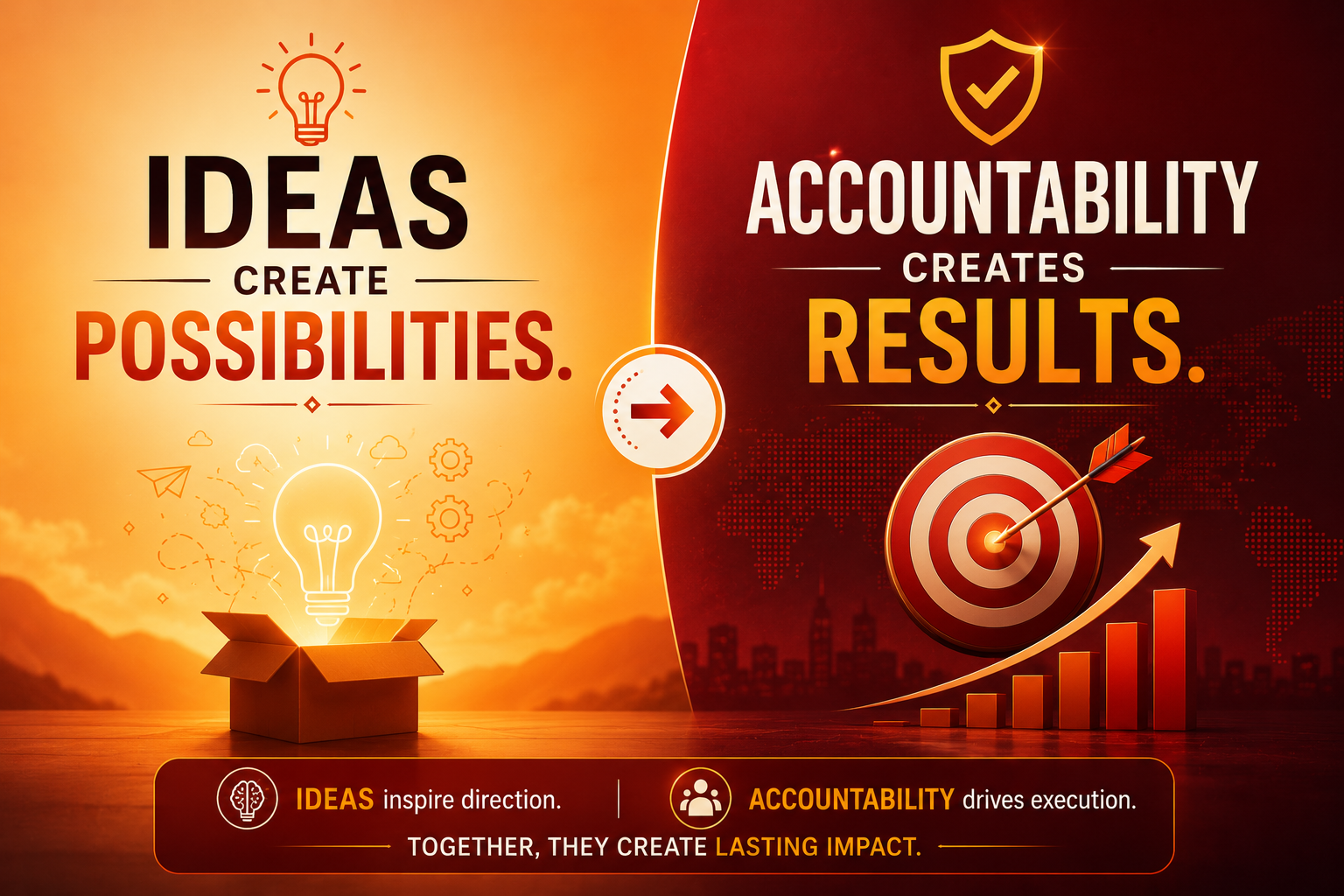
Because ideas create possibilities.
Accountability creates results.

yhohmuwwtfvqfpqnhhpdhpvyoixkny