Content insight
Toggle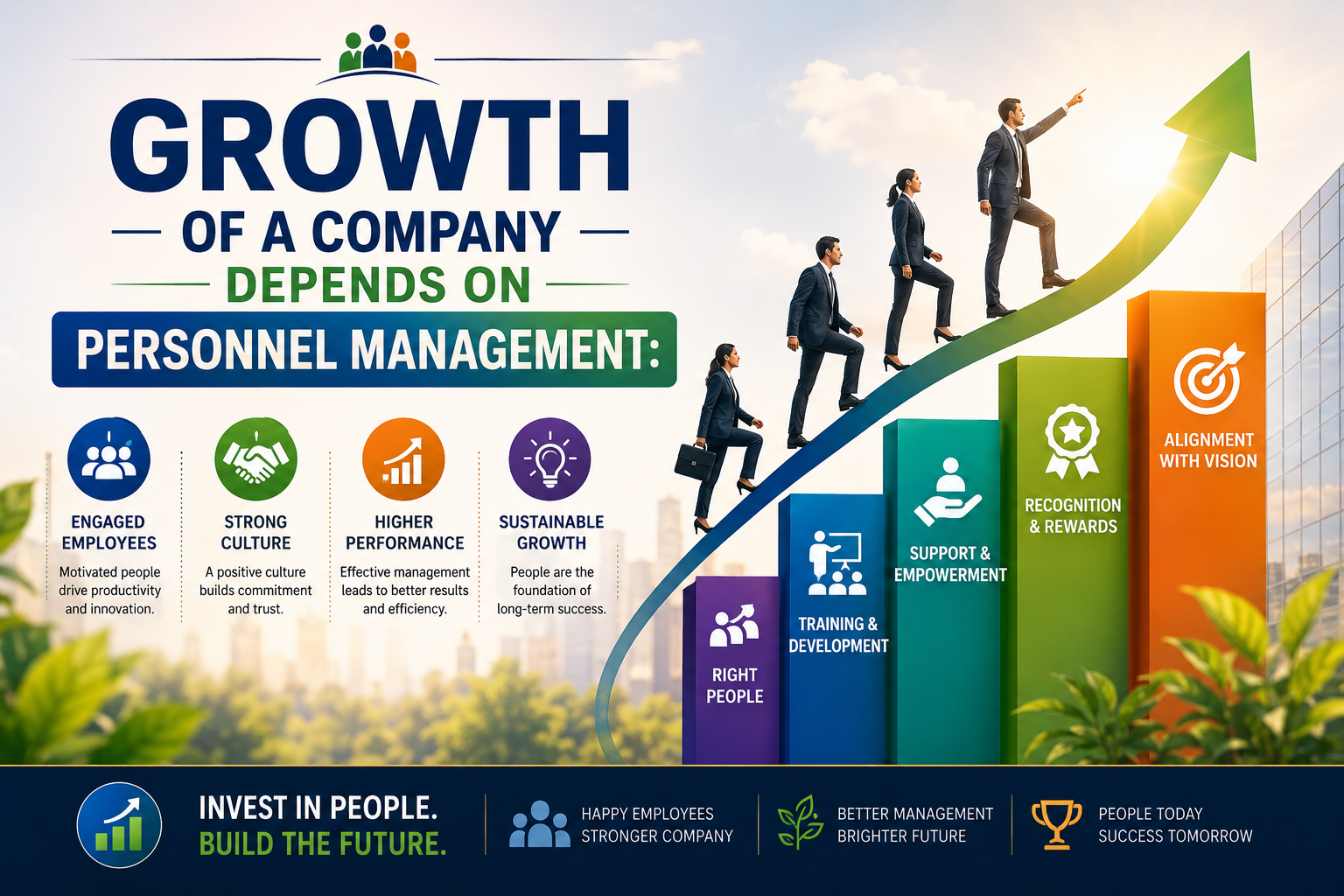
In today’s corporate world, we often measure growth through numbers—revenue, profits, market share, and valuation. But behind every number lies a deeper truth:
The real growth of a company depends on how it manages its people.
A company does not grow because of strategies alone. It grows because of the people who execute those strategies with integrity, commitment, and purpose.
History and experience show that companies don’t collapse only due to financial mismanagement.
They collapse because:
- Employees lose trust
- Leadership becomes self-centric
- Ethics are compromised
Just like in the Mahabharata, where silence and wrong decisions led to destruction, corporate silence on people issues can lead to:
- Internal conflicts
- Reputational damage
- Long-term decline
People Are Not Resources—They Are the Foundation
Many organizations still use the term “human resources.”But progressive governance thinking goes beyond that.
Employees are not just resources to be utilized—They are individuals with aspirations, responsibilities, and emotions.
A company that understands this:
- Builds trust
- Encourages innovation
- Creates long-term stability
And this is where personnel management becomes a governance priority, not just an HR function.
Ethics- The Invisible Driver of Growth
Short-term growth can be achieved through aggressive targets and pressure. But sustainable growth only comes through ethics.
When employees feel:
- Respected → They give their best
- Secure → They take ownership
- Valued → They stay longer
This reduces:
- Hiring costs
- Operational disruptions
- Reputation risks
Thus, ethical personnel management is not a cost—It is an investment in stability and growth.
A company’s real strength is not in its balance sheet…It is in the confidence, trust, and commitment of its people.
And true governance ensures that:
- People are respected
- Ethics are protected
- Growth is sustainable
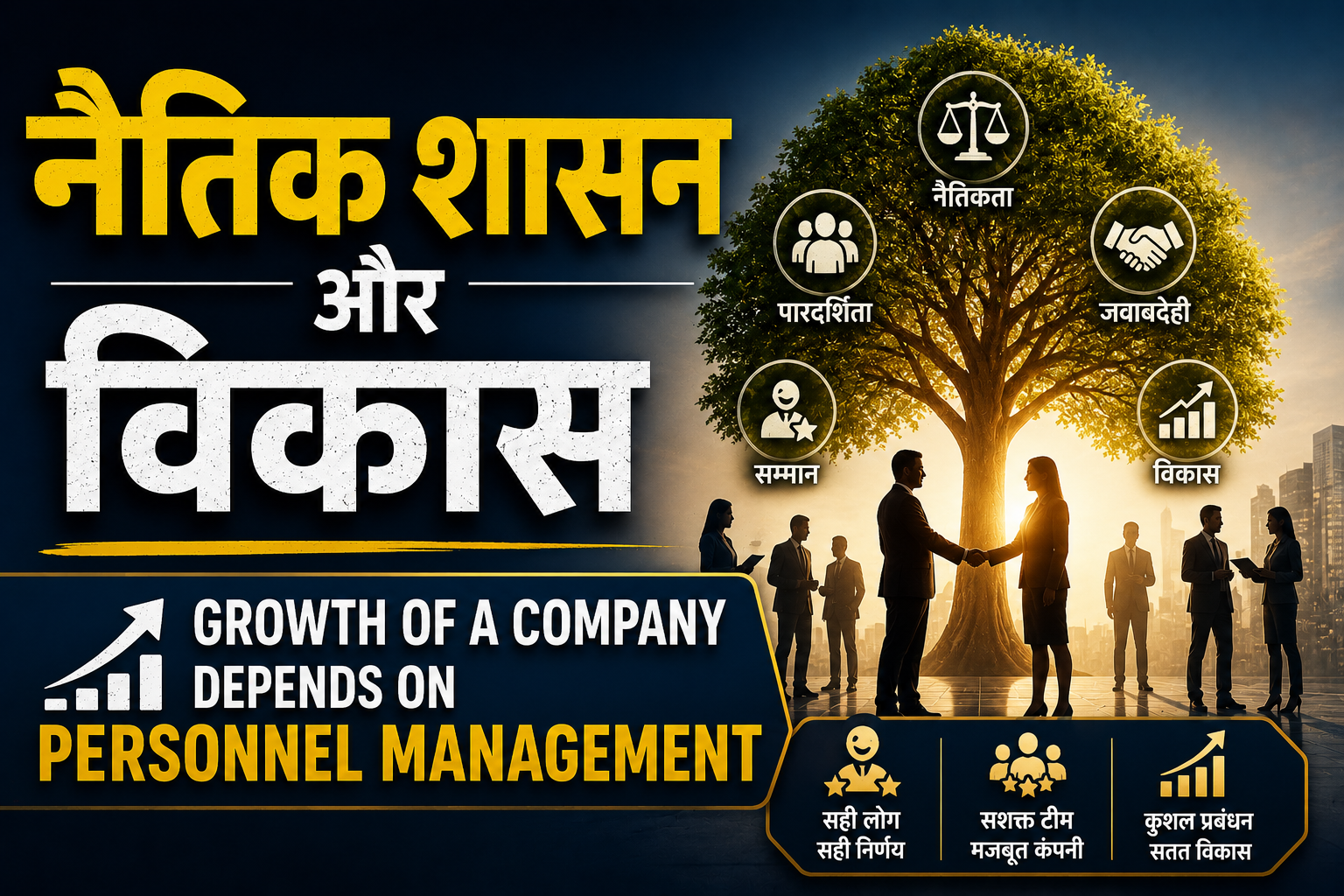
Because in the end,companies do not grow by numbers lone…They grow by the values they practice and the people they nurture.
The Role of an Independent Director in Personnel Management
As an aspiring Independent Director, role is not limited to financial oversight or compliance.
You become a custodian of ethical growth.
A capable Independent Director:
- Questions whether employees are being treated fairly
- Ensures leadership decisions align with ethical values
- Monitors whether culture supports long-term sustainability
- Balances profit objectives with human dignity
Because unethical people practices eventually become business risks.
For example:
- High attrition indicates deeper cultural issues
- Toxic leadership impacts productivity
- Lack of transparency leads to loss of trust
A strong Independent Director identifies these early and guides corrective action.
Wisdom from the Bhagavad Gita
The Gita teaches the principle of “Nishkama Karma”—performing one’s duty with sincerity and without selfish motives.
In a corporate context:
- Leaders must act without ego
- Boards must take decisions without bias
- Employees must work with responsibility
When duties are performed with integrity,
👉 the entire organization moves towards balance and success.
This is the essence of governance.
Pingback: Board Readiness in the 21st Century